

Why does social connection matter for older adults?
Assisted living can help prevent senior isolation by making regular human contact part of everyday life. Residents have opportunities to speak with neighbors, participate in shared activities, eat meals with others, and receive support from staff without having to arrange every interaction independently.
Social isolation means having limited contact with other people, while loneliness describes the distress that can occur when a person feels disconnected. A senior may experience one without the other, or both at the same time. The Centers for Disease Control and Prevention reports that social isolation and loneliness are associated with serious mental and physical health risks, and older adults face increased risk because of mobility changes, chronic illness, loss of loved ones, and living alone. ([cdc.gov](https://www.cdc.gov/social-connectedness/risk-factors/index.html?utm_source=openai))
For residents in Nesquehoning, PA, these concerns may become more noticeable when driving is difficult, family members live farther away, or seasonal conditions make outdoor visits and errands less practical.
How does assisted living create more daily interaction?
Assisted living provides a shared setting where social contact can happen naturally rather than only during scheduled visits. Residents may see familiar people in hallways, dining areas, lounges, activity rooms, gardens, or outdoor seating areas.
These repeated encounters matter. A short conversation over breakfast or a shared card game can help a person feel recognized and included. Over time, regular contact may lead to friendships, routines, and a stronger sense of belonging.
Common opportunities for interaction may include:
- Shared meals and snacks
- Exercise, stretching, or walking groups
- Music, games, crafts, and discussion groups
- Holiday gatherings and seasonal events
- Religious, cultural, or intergenerational programs
- Informal conversations with staff and neighbors
- Outdoor activities when weather and mobility allow
Not every resident will enjoy large group activities. A quieter person may benefit more from a small conversation, helping with a simple task, or sitting near others while reading or listening to music.
Can assisted living help someone who is shy or socially withdrawn?
Yes, but social connection should not be forced. A person who is shy, grieving, depressed, hard of hearing, or living with memory loss may need a gradual introduction to community life.
Staff can often help by learning the resident’s interests and identifying comfortable starting points. Someone who does not want to attend a crowded event may be more willing to join a small table at dinner, attend a short activity, or meet another resident with similar hobbies.
Helpful approaches include:
- Offering choices instead of insisting on participation
- Starting with brief, predictable activities
- Seating residents near compatible conversation partners
- Adjusting lighting, noise, and room layout
- Making sure hearing aids, glasses, and mobility devices are available
- Inviting a resident personally rather than relying only on posted schedules
- Recognizing that participation may change from day to day
A resident can be socially connected without attending every event. Quality, comfort, and consistency are generally more meaningful than the number of activities attended.
What role do meals play in preventing isolation?
Shared meals provide one of the most dependable opportunities for social contact. Eating alone can become a routine, especially for a person who has difficulty shopping, cooking, or cleaning. A communal dining setting can restore structure while offering conversation and familiar faces.
Meals also give staff and family members a chance to notice changes. A person who stops attending meals, eats much less, or sits apart from others may be experiencing depression, illness, grief, pain, or difficulty hearing and communicating.
In a well-supported setting, dining routines can help identify concerns early. They should still allow for privacy, dietary needs, cultural preferences, and days when a resident prefers to eat in a quieter location.
How can activities support emotional and physical health?
Activities that combine movement, conversation, and purpose may support both emotional well-being and independence. Gentle exercise can make it easier to move safely through the community. Creative activities can provide self-expression. Games and discussions can encourage attention, memory, and communication.
The activity itself is only part of the benefit. The social rhythm around it may be just as valuable. Residents may look forward to seeing the same group, sharing progress, or contributing a skill from earlier life.
Examples include:
- Gardening or caring for indoor plants
- Reminiscence conversations using music or photographs
- Cooking demonstrations or baking projects
- Walking indoors during poor weather
- Reading groups and current-events discussions
- Volunteer-style tasks such as folding materials or arranging supplies
- Celebrations of birthdays, traditions, and personal milestones
Activities should be adapted for different abilities. A resident who cannot participate physically may still be able to choose music, tell stories, sort materials, or encourage others.
What happens during winter or periods of bad weather?
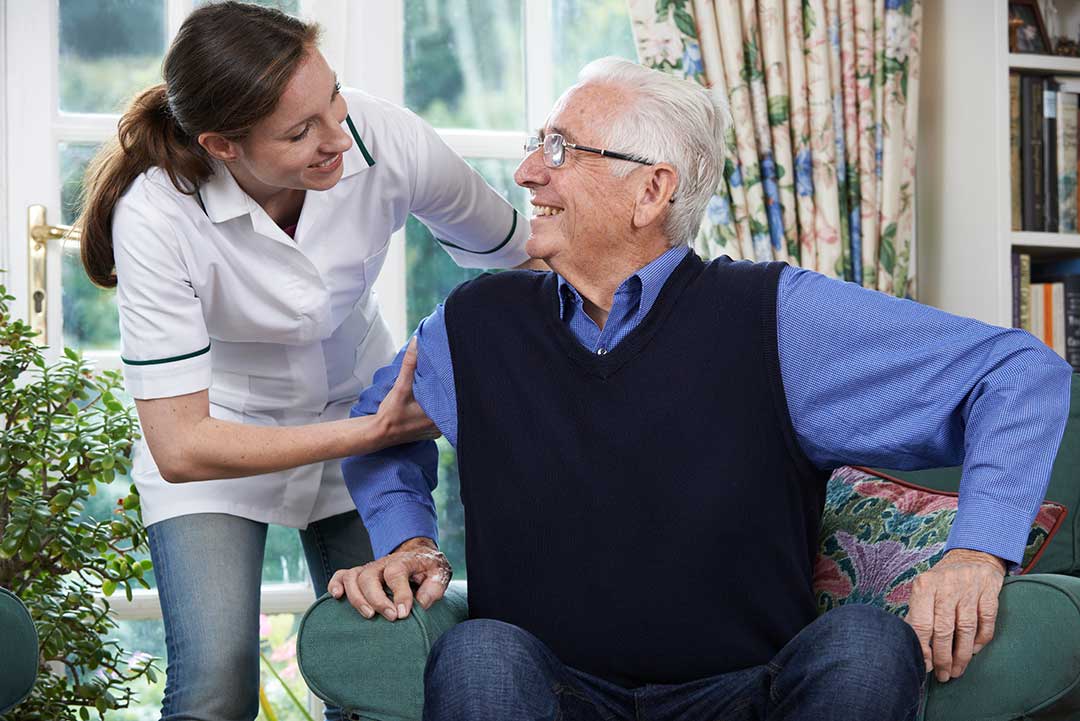
Seasonal conditions can increase isolation when sidewalks are icy, daylight is limited, or transportation becomes harder to arrange. The community’s geography and winter weather can make it less practical for some older adults to leave home frequently.
Assisted living can reduce this barrier by bringing meals, activities, neighbors, and staff into one accessible setting. Indoor walking routes, common rooms, scheduled visits, and regular check-ins can help maintain social routines when outdoor plans are cancelled.
Families can also support connection during difficult weather by arranging predictable phone calls, video conversations, letters, or visits when travel is safe. A short, regular contact is often easier to maintain than an occasional lengthy visit.
Does assisted living replace family relationships?
No. Assisted living adds daily opportunities for connection, but it does not replace family, friends, faith communities, former neighbors, or long-standing social ties. Residents often benefit most when the living community and personal relationships work together.
Family members can remain involved by asking about specific activities, remembering names of friends, sharing photographs, and continuing familiar traditions. Visits do not need to be elaborate. Reading together, sorting family pictures, watching a favorite program, or taking a short walk may be more comfortable than a large gathering.
Technology can help, although some residents need assistance with devices, hearing, passwords, or internet connections. Phone calls and video chats work best when they are scheduled around the resident’s energy level and daily routine.
How can families tell whether isolation is becoming a problem?
Changes in behavior may signal that a resident is becoming disconnected. Warning signs can include:
- Frequently staying in the room
- Skipping meals or activities that were once enjoyable
- Expressing hopelessness, sadness, or worthlessness
- Losing interest in personal care
- Becoming unusually irritable or confused
- Reporting that nobody visits or understands them
- Sleeping much more or much less than usual
- Showing reduced appetite or unexplained physical decline
These signs do not always mean loneliness. Pain, medication effects, hearing loss, depression, illness, and cognitive changes can look similar. A significant or sudden change deserves attention from the resident’s healthcare team, especially if there are concerns about safety, self-neglect, severe depression, or thoughts of self-harm.
What should families ask before choosing assisted living?
Questions about social connection should be specific rather than limited to asking whether activities are available. Families may want to ask:
- How are new residents introduced to others?
- Are there small-group options for people who dislike crowds?
- How are activities adapted for memory loss or limited mobility?
- Can residents eat with others or choose quieter dining arrangements?
- How are residents checked on if they do not attend meals or programs?
- Are family visits, phone calls, and personal routines supported?
- What happens during snow, ice, power interruptions, or other disruptions?
- How are cultural, religious, language, and personal preferences respected?
The goal is not constant activity. The goal is dependable access to respectful relationships, meaningful routines, and opportunities for the resident to make choices.
