

What role do volunteers play in assisted living communities?
Volunteers help create companionship, connection, and meaningful daily activities for residents. They may spend time talking with residents, assist with recreation, read aloud, support group programs, or help residents stay connected with interests and traditions.
Their role is supplemental. Volunteers do not replace licensed nurses, aides, medication staff, administrators, therapists, or other employees responsible for care and safety. Instead, they add time and personal attention that staff may not always be able to provide during a busy day.
For residents and families in Nesquehoning, understanding this distinction helps set realistic expectations. A volunteer may offer friendship and activity support, but should not be expected to provide medical care, personal hygiene assistance, lifting, medication reminders, or emergency supervision unless specifically authorized and trained by the community.
Why is companionship such an important volunteer contribution?
Regular conversation can reduce loneliness and help residents feel noticed and included. This is especially meaningful for people who have experienced changes in mobility, memory, health, transportation, or family routines.
A volunteer might:
- Visit with a resident over coffee or tea
- Listen to family stories and personal history
- Play cards, complete puzzles, or work on crafts
- Read newspapers, books, or letters aloud
- Accompany a resident to a scheduled group activity
- Help a resident write notes or make phone calls
- Discuss familiar music, sports, hobbies, or local traditions
The value often comes from consistency rather than complexity. A familiar visitor who arrives at a predictable time can give a resident something to anticipate each week.
Volunteers should also understand that conversation is a two-way relationship. Some residents enjoy long discussions, while others prefer quiet company or short visits. Respecting a person’s mood, communication style, hearing ability, and cognitive changes is part of being helpful.
What activities can volunteers support?
Volunteer-supported activities should match residents’ interests, abilities, and energy levels. Appropriate activities may include music, art, gardening, seasonal decorations, storytelling, games, spiritual reflection, or simple movement programs led by qualified staff.
A volunteer could assist by preparing materials, explaining game rules, setting up chairs, or encouraging participation. The volunteer may also help adapt an activity, such as using large-print instructions, sorting craft materials into easy-to-handle containers, or choosing music that residents recognize.
Seasonal activities can be particularly useful in a mountainous Pennsylvania community where cold temperatures, snow, and icy conditions may limit outdoor time. Indoor programs such as window gardening, nature discussions, holiday crafts, or indoor walking groups can provide variety when residents cannot safely leave the building or use outdoor spaces.
Activities should never pressure residents to participate. Declining an activity is a valid choice, and volunteers should avoid treating nonparticipation as a problem.
Can volunteers help residents with memory loss?
Yes, volunteers can provide social interaction and structured activities for residents living with dementia or other memory-related conditions. However, they need guidance about communication, safety, and appropriate boundaries.
Helpful approaches include:
- Using a calm voice and short, clear sentences
- Allowing extra time for responses
- Focusing on the person’s feelings rather than correcting every factual mistake
- Offering familiar music, photographs, or simple objects for conversation
- Avoiding arguments if a resident becomes confused
- Reporting concerning changes to staff rather than trying to manage them independently
Volunteers should not wander away with a resident, redirect someone during a behavioral emergency, or make decisions about a resident’s care plan. If a resident appears frightened, ill, unusually sleepy, injured, or distressed, the volunteer should notify staff promptly.
What training and screening should volunteers receive?
Responsible volunteer programs include orientation, supervision, and screening appropriate to the duties involved. Requirements vary according to the community, the volunteer’s age, and the type of contact with residents.
Training may cover:
- Resident rights and dignity
- Confidentiality and privacy
- Infection prevention and hand hygiene
- Emergency procedures
- Fall prevention
- Communication with people who have hearing or memory challenges
- Abuse, neglect, and exploitation awareness
- Boundaries involving money, gifts, transportation, and personal relationships
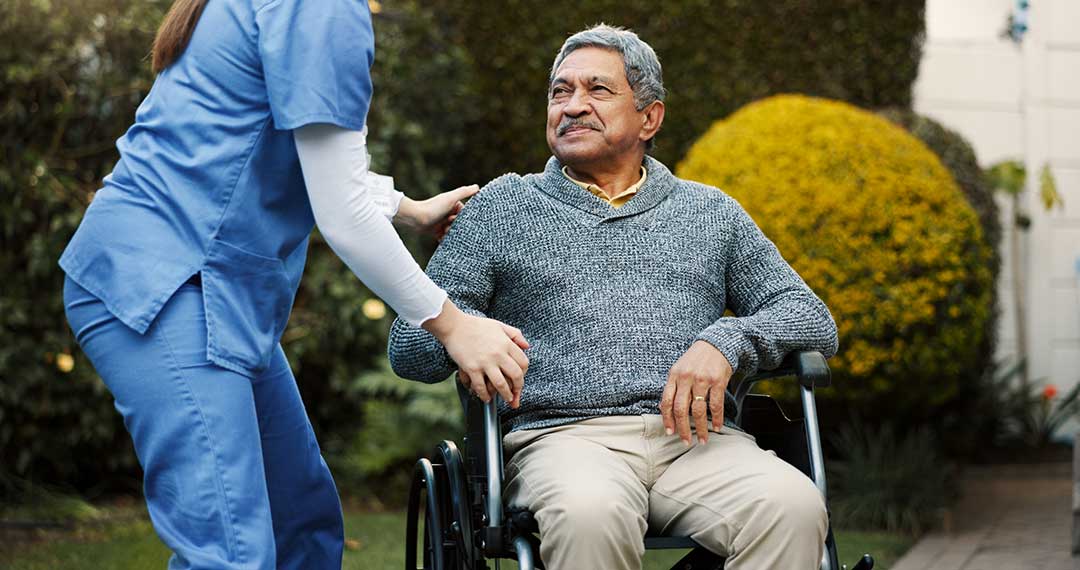
A volunteer may also need background checks, health documentation, identification, or additional training before participating in certain programs. These steps protect residents and volunteers alike.
Family members should understand that being friendly or having prior experience with older adults does not automatically qualify someone to provide hands-on care. Tasks involving transfers, bathing, toileting, medication, wound care, or other personal needs require clearly defined authorization and appropriate training.
How do volunteers protect residents’ privacy?
Privacy applies during casual conversations, activities, visits, and online communication. Volunteers should not share a resident’s diagnosis, family situation, behavior, room location, or personal history with others unless the community has authorized that communication.
Photographs and recordings require particular care. A volunteer should never take or post a resident’s picture, record a conversation, or share identifying details on social media without following the community’s written permission process.
Confidentiality also means avoiding public conversations about residents in hallways, dining areas, parking areas, or other places where visitors may overhear. Questions about a resident’s condition should be directed to authorized staff or the resident’s designated family contact, according to facility policy.
What boundaries should volunteers maintain?
Clear boundaries help prevent misunderstandings and protect residents from financial or emotional pressure. Volunteers should not borrow money, accept expensive gifts, manage a resident’s bank account, sell items, or ask for personal favors.
They should also avoid making promises about care, appointments, transportation, family matters, or future visits unless the commitment has been approved and can be kept.
A volunteer is not a substitute for a resident’s family, personal aide, or care team. Friendship can be genuine while still remaining within the limits of the volunteer role.
If a resident reports mistreatment, missing belongings, pressure from another person, or an unsafe situation, the volunteer should report the concern through the community’s established process. Trying to investigate privately can make the situation more difficult.
How can families evaluate a volunteer program?
Families can ask practical questions about how volunteers are integrated into daily operations. Useful questions include:
- Are volunteers screened and oriented before visiting residents?
- Who supervises them?
- What tasks are volunteers permitted to perform?
- How are privacy and photography handled?
- Are volunteers trained to interact with residents who have dementia?
- How are concerns, missed visits, or boundary issues reported?
- Can residents decline volunteer visits?
- How does the community match volunteers with residents’ interests?
A strong program is organized but still personal. It gives volunteers enough guidance to act safely while allowing natural conversation and genuine companionship.
How can local residents participate appropriately?
People who want to volunteer should begin by identifying the type of contribution they can provide consistently. A regular weekly visit may be more useful than an occasional appearance, although seasonal events and one-time activities can also have value.
Potential contributions include reading, music, arts and crafts, friendly visiting, group games, letter writing, gardening projects, cultural activities, or assistance with community events. Volunteers should be honest about physical limitations, transportation availability, comfort with memory loss, and the amount of time they can reliably give.
The most effective volunteer relationships are built on respect. Residents remain adults with personal preferences, histories, and rights. Volunteers contribute by making daily life more connected and engaging while leaving clinical decisions and personal care to the trained care team.
